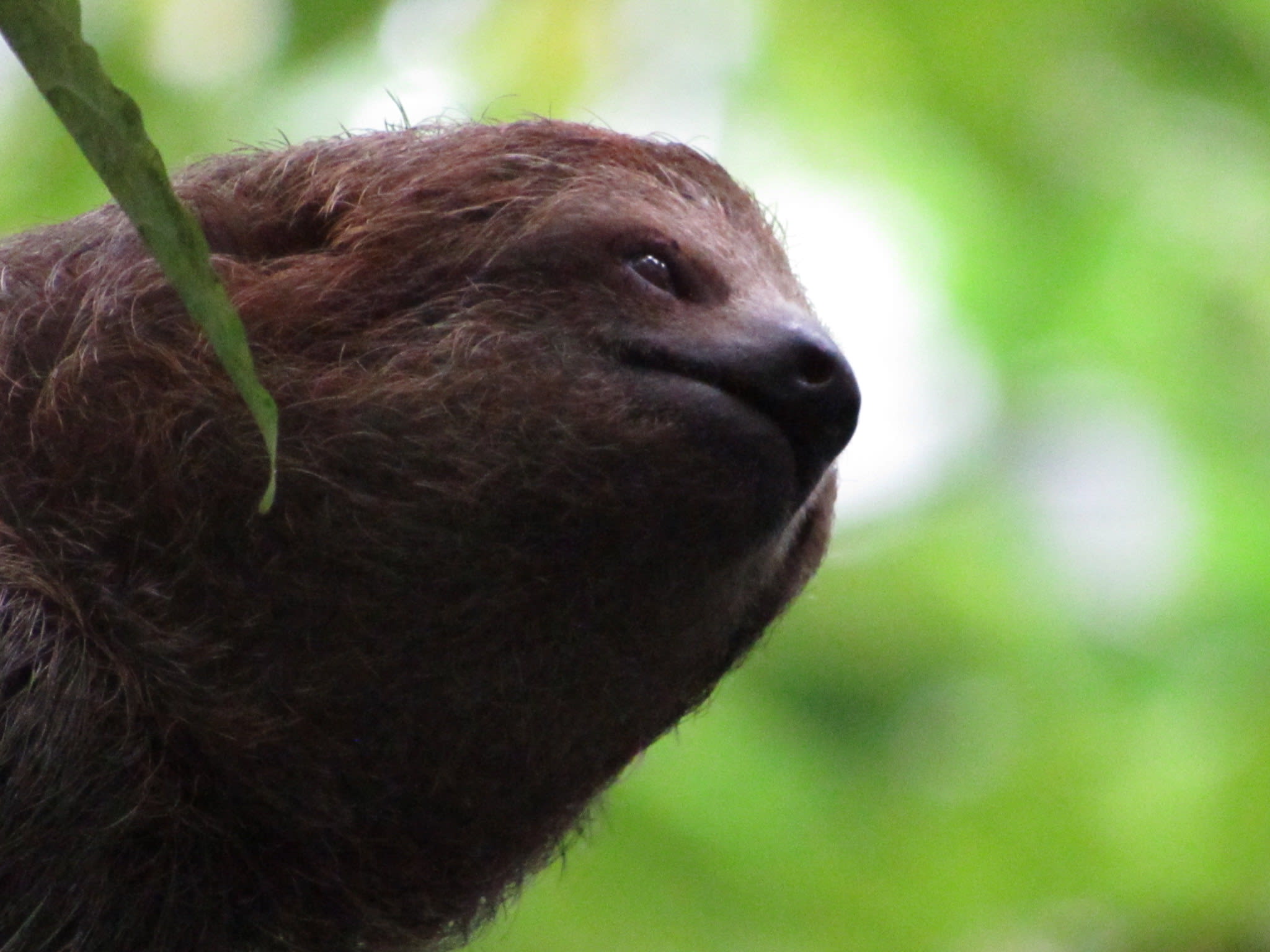
The Walking Ecosystem: The Relationship Between Sloths, Algae, and Moths
If you have ever been lucky enough to see a sloth up close, you might have noticed that their fur often has a greenish tint. This color is no accident; it is the result of one of the most amazing symbioses in the animal kingdom. A sloth's fur is a true walking ecosystem, a home for communities of algae, fungi, and surprisingly, moths.
This complex interdependence is a testament to nature's wonderful efficiency. Each element of this trio (sloth, algae, moth) mutually benefits in a life cycle that literally unfolds on the sloth's back. Let's explore how this incredible collaboration works, which seems straight out of a fantasy book.
“In nature nothing is isolated, everything is connected.” - Johann Wolfgang von Goethe
Sloth hair is unique. It has cracks and fissures that are perfect for trapping rainwater. This constant moisture creates the ideal microclimate for algae colonies to grow. The sloth provides the perfect 'accommodation'.
A specific type of moth (Cryptoses choloepi) lives, mates, and spends almost its entire life in the sloth's fur. When the sloth descends to the ground once a week to defecate, the female moth takes the opportunity to lay her eggs in the dung. The larvae feed there, and once adults, fly up to the canopy in search of a new sloth to inhabit.
This is where the circle closes. When moths die in the sloth's fur, their bodies decompose. The released nutrients, such as nitrogen and phosphorus, act as a potent fertilizer that stimulates even greater algae growth.
The sloth gains two major advantages from this garden on its back. First, the algae provide exceptional camouflage against predators. Second, studies have shown that these algae are rich in lipids and nutrients. The sloth eats these algae while grooming, obtaining a vital nutritional supplement that it does not get from leaves.
This system is so specialized that the algae species found on three-toed sloths are different from those found on two-toed sloths. Each cultivates its own personalized 'garden', perfectly adapted to its biology and behavior. It is a level of specialization that leaves us amazed.
Understanding this walking ecosystem makes us appreciate sloths in a completely new way. They are not just slow animals; they are walking worlds, living examples of how cooperation is key to survival. Want to see up close the incredible camouflage provided by their personal ecosystem? Join a tour with Sloths Territory and let yourself be marveled by the complexity of nature!